
Allegations that the Wall Street Journal (WSJ) propagated UFO disinformation on 6/06/25 initially stem from publications on X, including posts dated June 8 and 11, 2025. These posts suggest that the WSJ would have revealed, based on a Pentagon report, that the US military would have intentionally fueled UFO rumors to conceal sensitive military programs.
Let’s put this in context. A recent Pentagon report, published by the All Areas Anomaly Resolution Office (AARO), concluded that no evidence of extraterrestrial origin has been found for UFOs observed since 1945. The report also indicates that some UFO sightings could be attributed to secret military technology, such as the U-2 spy plane in the 1950s, which was often mistaken for a UFO. The WSJ article, as mentioned in posts on X, seems to have highlighted this U.S. military strategy of letting UFO speculation circulate to mask classified projects…and so far, so true!

The WSJ would have reported facts based on the Pentagon report, revealing a past disinformation strategy of the military, rather than producing disinformation itself. But the article doesn’t cite its sources and maintains a form of confusion ideal for skeptics and zeteticians. It implies the idea that UFO sightings are necessarily explicable by secret American conventional military programs. The article is biased, and fails to point out that sightings of craft with peculiar properties are worldwide and long-standing, well before 1947.

Ryan Graves
The WSJ article cites specific examples, such as a US Air Force colonel distributing fake photos of flying saucers near Area 51 in the 1980s to divert the attention of curious onlookers and spies. Some critics, such as Australian journalist Ross Coulthart, a correspondent for the major media outlet Newsnation, call the article “propaganda” or an attempt to minimize the UFO issue by reducing it to a simple military camouflage operation, thereby obscuring the possibility of genuine unexplained phenomena. Ryan Graves, a former Navy pilot, criticized the WSJ article, arguing that it reinforces a narrative aimed at discrediting serious UFO testimony. He argues that this focus on military disinformation could be a new form of manipulation to divert attention from genuine unidentified aerial phenomena (UAPs).
On X, users suggest that the article is part of a larger strategy to keep a “lid” on the truth about UFOs. Some posts on X, like this one by @wouilisam, point out that the WSJ’s revelations are not new, citing earlier statements by James Lacatski (former head of the AAWSAP program) in 2023. They criticize the newspaper for presenting this information as a “scoop” while omitting contextual elements that might suggest a more complex reality, such as the potential existence of secret UFO programs not linked to disinformation. This omission is perceived as narrative manipulation.
It’s worth remembering that the Wall Street Journal, founded in 1889, has a conservative right-wing editorial line aimed at the business community. The UAP issue is a pain in the ass for the business community, and given the magnitude of the issue since 2023 (the David Grusch case), the Journal had to talk about it if it didn’t want to miss the boat. But the question was how to tell its readership. Given the immediate and critical reactions to Joel Schectman’s article, if the WSJ was attempting to misinform, then it was a total failure. On June 10, the French radio station RTL cast doubt on the Pentagon’s statements and highlighted the anger of ufological circles. This WSJ affair is far from being a purely American affair. The WSJ is an old-established media, known, recognized and read the world over.

And that’s where the BRICS come in. The implications of the supposed revelations for Africa, Asia and Latin America are indirect and mainly linked to the global perception of UFOs… and the credibility of information coming from American institutions.
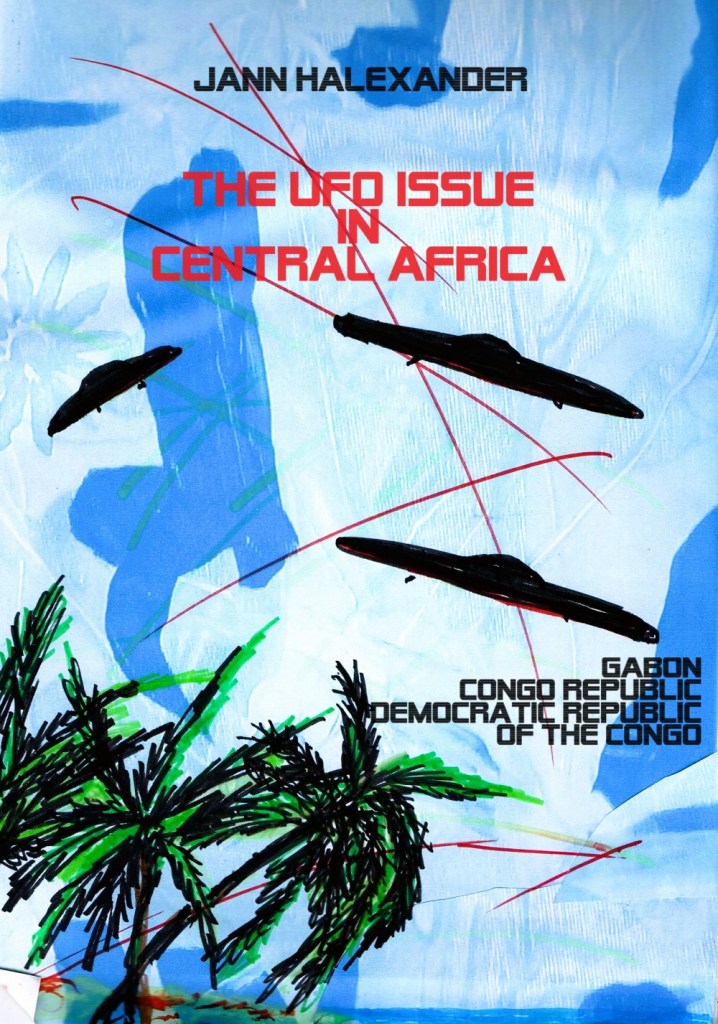
UFOs are a subject of growing interest in Africa, as evidenced by a recent exhibition in Paris (July 2024) devoted to unidentified aerial phenomena (UAP) on the continent. The UAP Afrique organization, among others, is actively documenting these phenomena, suggesting a local cultural and scientific interest. South African Tim Murithi has appeared in his country’s media on several occasions to comment on UAP news from the USA. If the WSJ and Pentagon revelations are widely reported, they could cast doubt on the credibility of UFO sightings in Africa, particularly those attributed to extraterrestrial phenomena. It could also hamper local efforts to study UFOs scientifically, by reinforcing the idea that these phenomena are often misunderstandings or manipulations, or even a White conspiracy. However, the overall lack of specific media coverage on this subject in Africa limits the immediate impact.

Tim Murithi
In Asia, particularly Japan, UFO sightings are often associated with terrestrial objects, such as Chinese balloons suspected of espionage. Japan has created a group dedicated to the study of UFOs, showing official interest in the subject. In China, the rise of economic and military power could include advanced technologies that could be mistaken for UFOs. The revelation of an American disinformation strategy could prompt Asian governments, particularly China and Japan, to step up their own investigations into UFOs to avoid being influenced by Western narratives. It could also fuel geopolitical tensions, if UFO sightings are interpreted as disguised military provocations. On the other hand, China could exploit this revelation to further discredit the United States on the international stage.
Latin America has a long history of UFO sightings, often integrated into popular culture. With tragedies such as Colares, where UFOs injured and killed villagers in 1977 and 1978, necessitating intervention by the Brazilian army. But China’s growing presence in the region, through economic investment and cultural exchange, could also influence the way UFO information is perceived. The revelation of manipulation by the US military could reinforce skepticism towards Western institutions in a region already suspicious of American influence. It could also encourage Latin American countries to develop their own UFO investigation capabilities, potentially in collaboration with non-Western partners such as China.
In conclusion, the WJS is one of a number of actors creating confusion that is likely to reinforce mistrust of governments and the media in regions where confidence in institutions is already very low, particularly since the lies propagated by the USA to justify the war on Iraq in 2003. Countries in Africa, Asia and Latin America could be more vigilant about UFO sightings, fearing that they mask foreign military activities, particularly American or Chinese. And putting aside – and this is where it gets problematic – non-human activities.

The confusion fostered by the WSJ basically reflects the disarray of governments around the world, be they democracies, dictatorships or democracies: they don’t really know how to announce to the public the existence of non-human individuals who blithely fly over sensitive locations (nuclear power plants among others) aboard craft with impressive properties. As journalist and UN correspondent Alain Jourdan told 24heures.ch on March 13, 2020: ‘the world is holding its breath’.
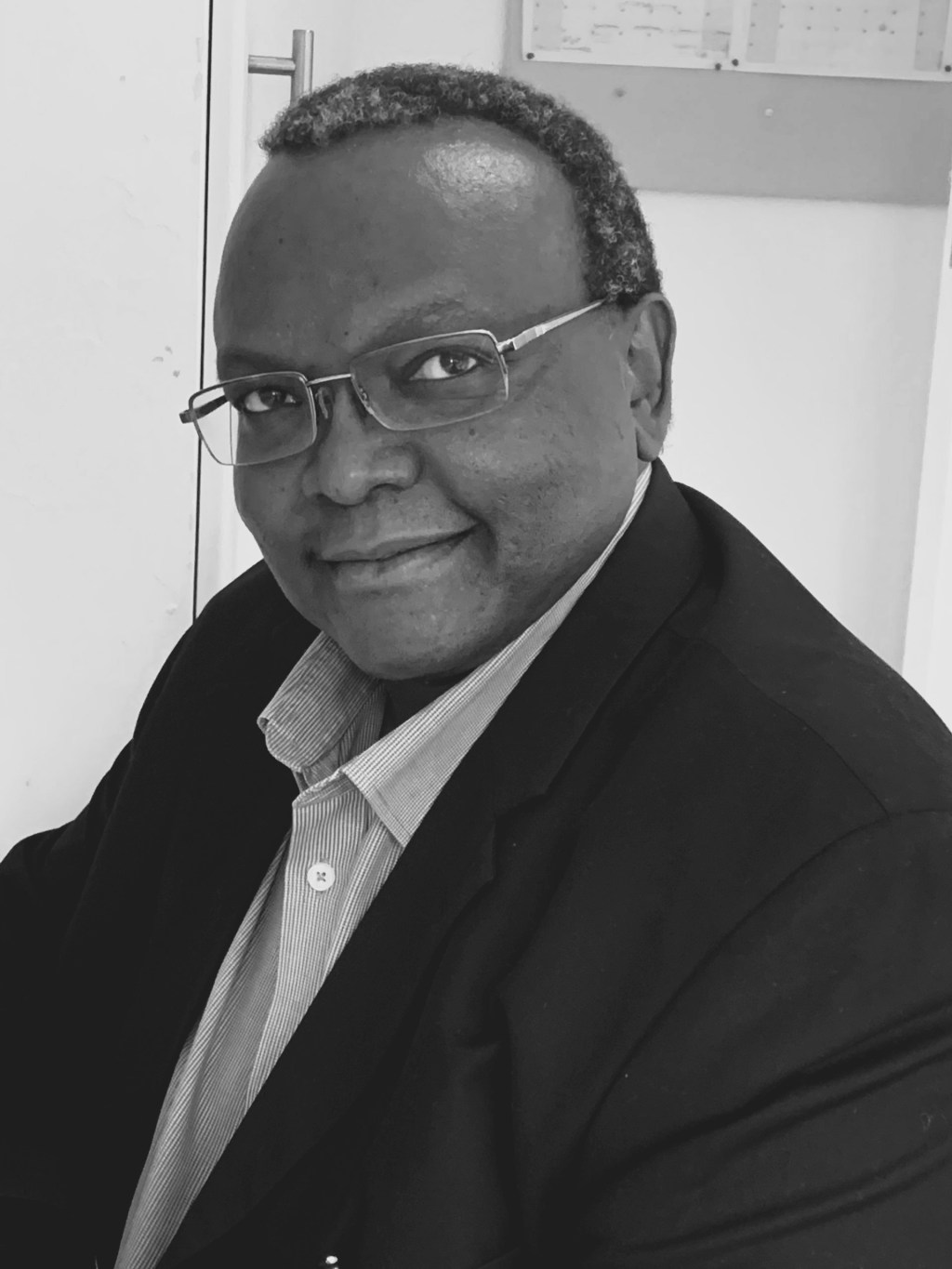
J.Halexander, for UAP Afrique




 UAP AFRIQUE
Laisser un commentaire